Guides · Lady Lake, Florida
What People Get Wrong About Lady Lake, FL
Lady Lake gets filed under a lot of easy labels. The railroad stop that preceded the citrus boom, the town that predates the giant next door, gets reduced to a suburb of something that came a century later. Here is the actual story, starting with the tracks.
The Railroad Came First
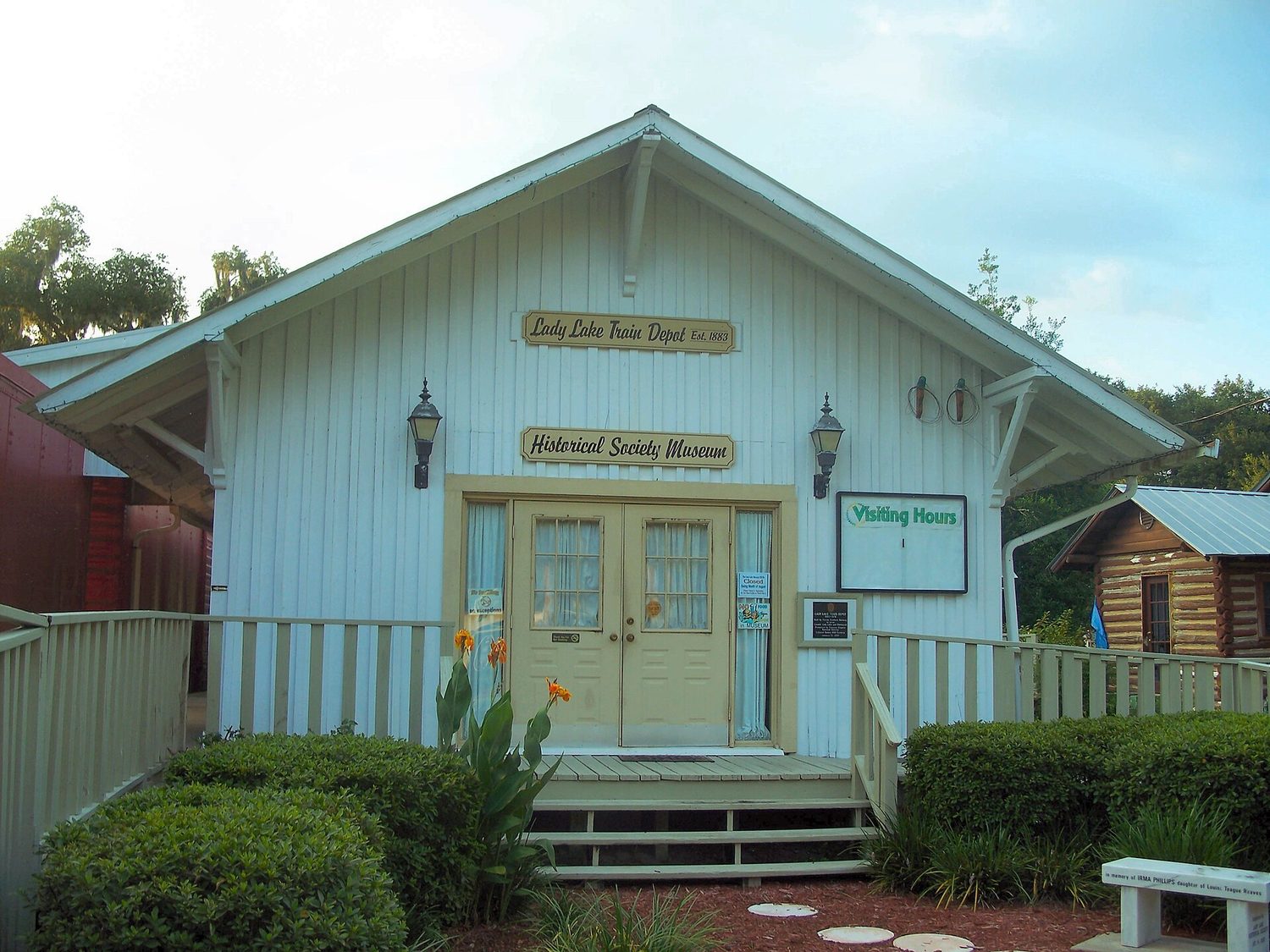
Lady Lake was railroad-fuelled from around 1883, when the Atlantic Coast Line ran its High Springs-Croom line through what was then Seminole territory. The tracks came first; the town grew because of them. By the time of incorporation in 1925, the rail had already shaped the settlement's bones. The line made shipping possible, and shipping made citrus viable. The town was a working node on a freight network, not a bedroom community. The trains are gone, but the structure that housed the railroad's business still stands, and it is the reason the town's history is still physically present.
A Lake Named Lady
The town is named for the lake it was built beside. That is not a cute story; it is a logistics fact. Water and rail together made the citrus economy work. The lake provided the water for the groves, and the railroad provided the route to market. Without both, there is no Lady Lake as we know it. The name is a geographic anchor, a reminder that the town was a place of production before it was a place of any other kind of settlement.
The Museum That Keeps the Citrus Story
The Lady Lake Historical Society Museum is housed in a structure built by the Atlantic Coast Line Railroad for its High Springs-Croom line. Inside, the collection holds citrus-industry artefacts, tools, photographs, and an HO gauge railroad. This is where the town's working past is preserved, not as nostalgia, but as record. The citrus artefacts document the industry that the railroad made possible; the photographs show the people who did the work.
The Log Cabin on the Boulevard
In front of the museum stands a log cabin on West Lady Lake Boulevard. It is a tangible link to the town's early days, a structure that predates the modern era and sits there as a physical counterpoint to the idea that Lady Lake is a recent invention. The cabin and the railroad structure together form a small, unglamorous historical district. That is the point: this town has a built past, and it is visible.
The Neighbor That Came Later
Lady Lake is the birthplace of The Villages, the retirement community that grew out of it. That is a fact, and it is where most coverage stops. It is also where this article refuses to stop. The retirement community is a later development, built around a town that had already been there for a century. The identity of Lady Lake is not defined by what came after; it is defined by the rail and the citrus that came before. The neighbor is a footnote, not the headline.
What the Census Says Now
The numbers paint a more complicated picture than "retirement town." The median age is 66.2 years, which is old, but the housing data shows a place with real turnover. Of 10,056 total housing units, 1,443 are vacant and 1,212 are held for seasonal or recreational use. That is not a static community; that is a place with a rotating population. The median household income is $47,260, and the median home value is $217,900. The unemployment rate is 6.7 percent, and 24.8 percent of residents hold a bachelor's degree or higher. Median gross rent is $1,361. These are the numbers of a working town with a seasonal layer, not a monolithic retirement complex.
| Measure | Value |
|---|---|
| Population | 16,337 |
| Median age | 66.2 years |
| Total housing units | 10,056 |
| Vacant housing units | 1,443 |
| Seasonal or recreational use | 1,212 |
| Median household income | $47,260 |
| Median home value | $217,900 |
| Median gross rent | $1,361 |
| Bachelor's degree or higher | 24.8% |
| Unemployment rate | 6.7% |
The Straight Answer
Was Lady Lake founded before The Villages? Yes, by about a century. The railroad came around 1883 and the town incorporated in 1925; the retirement community came later. Is Lady Lake just a retirement community? No. The census data shows a town with a significant seasonal population and a working-age presence. Where can you learn about the citrus history? The Lady Lake Historical Society Museum, in the old Atlantic Coast Line structure, holds the artefacts and the photographs. The town's story is on the tracks and in the groves, not in the retirement brochures.
Common questions
- What is Lady Lake known for?
- Lady Lake is a railroad town from 1883, built around the tracks and the citrus groves that followed. It's older than what grew up around it, and its history is preserved at the Lady Lake Historical Society Museum.
- Is Lady Lake just a retirement community?
- No, Lady Lake predates the retirement community that grew out of it. It was incorporated in 1925 as a citrus and railroad town. The median age is 66.2, but the town's roots go back to the 1880s.
- What can I see at the Lady Lake museum?
- The museum sits in a former Atlantic Coast Line Railroad building and holds citrus-industry artifacts, an HO gauge railroad, tools, and photographs. There's also a log cabin on West Lady Lake Boulevard in front of it.
- How big is Lady Lake?
- The population is 16,337 people, with about 10,056 housing units. Roughly 1,212 homes are for seasonal or recreational use, and 1,443 are vacant. Median home value is $217,900.
- What's the job market like in Lady Lake?
- The unemployment rate is 6.7 percent, and the median household income is $47,260. About 24.8 percent of residents have a bachelor's degree or higher. It's a working town, not just a leisure spot.
- Where does the name Lady Lake come from?
- The town is named after the lake it was built beside. The lake itself is right there, and the name stuck when the railroad came through around 1883.
Every business named above is one we hold a listing for, and every date traces to a source on our sources page. We do not describe menus, interiors or service we have not verified. Details change — confirm before you travel.