Guides · Lady Lake, Florida
Why Lady Lake Is Where It Is
The railroad got here first, and the town grew up to meet it. That is the whole story, and it is a good one.
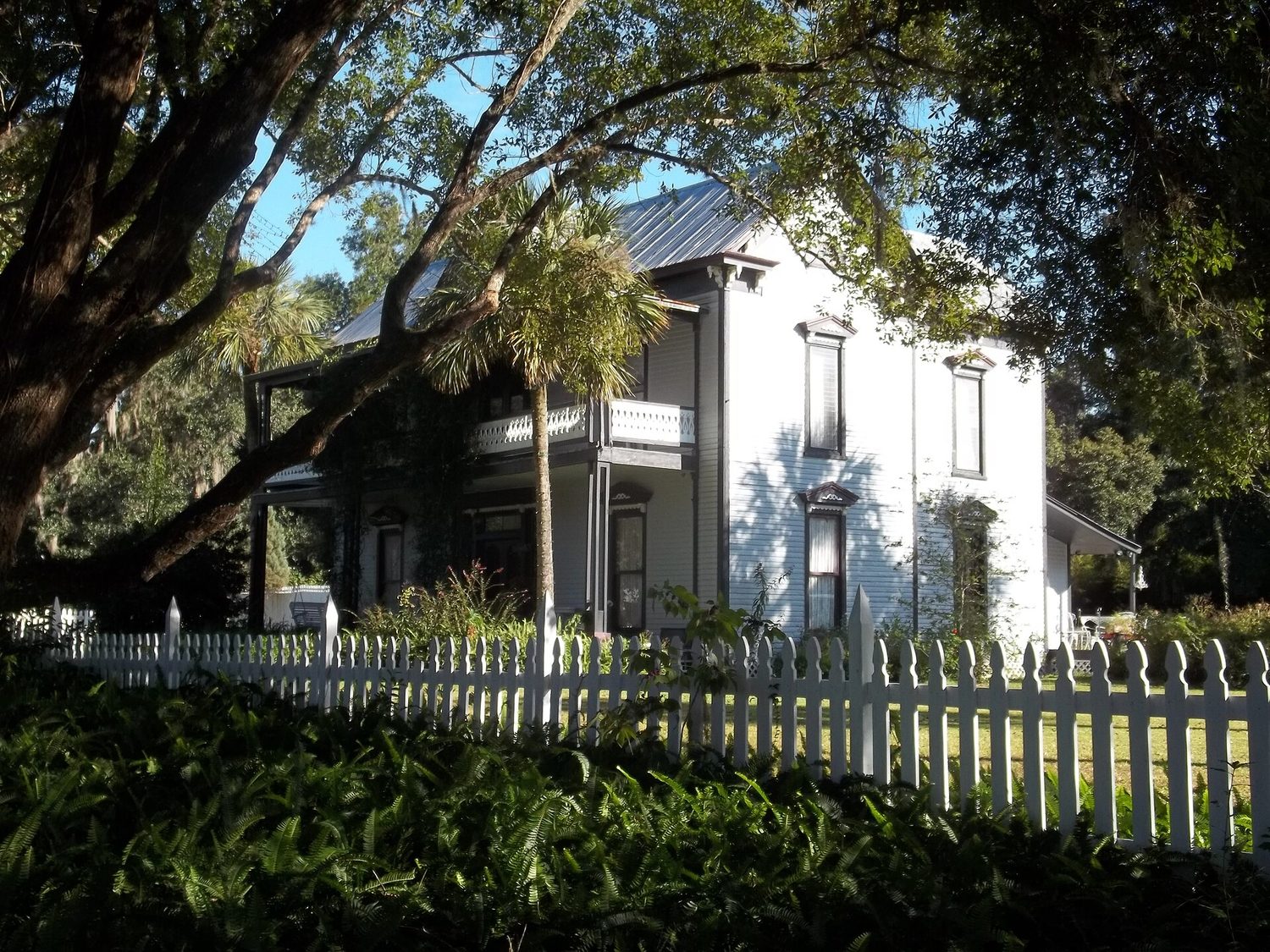
The Track Comes Through
Lady Lake was Seminole territory before it was anything else. Then, around 1883, the rails arrived. The town that formed beside the lake took its name from that water, but it took its reason for existing from the trains. The citrus industry followed, and the two together—track and groves—made the place worth staying in.
The town was incorporated in 1925. By then, the pattern was set. A railroad stop, a packing town, a place where fruit moved out and people moved in.
What the Museum Keeps
The local museum is the proof of all this. It sits in a structure built by the Atlantic Coast Line Railroad for its High Springs-Croom line. That is not a metaphor. The building itself is the railroad's work, and it now holds the record of what the railroad made possible.
Inside, the collection covers the citrus industry, the tools of the trade, and photographs of the town as it was. There is an HO gauge railroad on display, which is the kind of thing that makes a history museum feel less like a lecture and more like a conversation. In front of the museum stands a log cabin on West Lady Lake Boulevard. The cabin is the older story; the museum building is the railroad story. Together, they bracket the town's beginnings.
The Numbers Now
The census gives a clear picture of what Lady Lake has become. Population is 16,337. The median age is 66.2 years. That is a specific number, and it tells you something about who lives here.
Housing stock sits at 10,056 units. Of those, 1,212 are held for seasonal or recreational use. Another 1,443 are vacant. That means nearly a quarter of the homes in town are not someone's primary, year-round residence. The median home value is $217,900. Median gross rent is $1,361. Median household income is $47,260.
The unemployment rate is 6.7 percent. Just under a quarter of residents—24.8 percent—hold a bachelor's degree or higher.
Read those numbers together and you get a town that is affordable relative to much of Florida, with a housing stock that serves a seasonal population and a permanent one. The age profile is not an accident. It is the result of what came next.
The Thing That Came After
Lady Lake is the birthplace of the retirement community that grew out of it. That is a fact of the town's history, and it is worth stating plainly. The town predates it. The railroad predates it. The citrus groves predate it. But the community that grew out of Lady Lake changed the region's character, and Lady Lake's own demographics reflect that legacy.
The median age of 66.2 is not a coincidence. It is the outcome of decades of development that started here and spread outward. The town was not swallowed by that growth. It remains its own municipality, with its own history, its own museum, its own log cabin, and its own railroad-built past.
Why It Stays
Lady Lake is where it is because the railroad chose the route. The lake gave it a name. The citrus gave it a living. The trains gave it a reason to exist at all.
The town incorporated in 1925, which means it has been a legal entity for a century. But its identity is older than its incorporation. It is a place that was built beside water and along steel. The museum preserves that double origin. The log cabin preserves the earlier layer. The census data preserves the present.
There is no need to dress any of this up. The town is what it is: a railroad stop from 1883, a citrus town that grew around the tracks, and the place where something much larger began. The facts are on display, in the museum and in the numbers. That is enough.
Every business named above is one we hold a listing for, and every date traces to a source on our sources page. We do not describe menus, interiors or service we have not verified. Details change — confirm before you travel.