Guides · Lady Lake, Florida
Lady Lake by the Numbers: What the Census Says
The census gives us the shape of a town; the railroad gives us the reason it exists at all. Here is what Lady Lake looks like on paper, and what the paper doesn’t say.
The Numbers Arrive by Freight
Lady Lake was a railroad stop before it was a town. Around 1883, the tracks came through, and the citrus groves followed, and the whole thing got a name from the lake sitting beside it. The town made it official in 1925. The census has been counting us since, and the latest count says 16,337 people call this place home.
That number is the first thing to know. It is not a big city. It is not a wide spot in the road, either. It is a town that grew up along a line of steel and never forgot where it came from.
Housing: Built for the Season, and the Season Is Long
The census counts 10,056 housing units in Lady Lake. Of those, 1,212 are held for seasonal or recreational use. That means roughly one in eight homes here is not a year-round residence. It is a place people come to when the weather up north turns sour.
The vacant units number 1,443. That is not the same as abandoned. Some of that vacancy is the market turning over, some of it is the gap between seasons, and some of it is simply the way a town with this kind of draw operates. The median home value sits at $217,900, which is a number that would make a lot of coastal Floridians wince with envy. The median gross rent is $1,361 a month, which is a number that makes a lot of renters wince for entirely different reasons.
The Age of the Place
The median age in Lady Lake is 66.2 years. That is not a typo. That is a town where the median resident has been collecting Social Security for a year or two already.
This is not an accident. Lady Lake is the birthplace of a certain retirement community that grew out of it, and the census reflects that lineage. The town does not pretend to be something else. It is a place built for people who have done their working years and want to spend their time near water and warm weather.
But the age figure can mislead. A median of 66 does not mean everyone here is retired. It means the middle of the bell curve is there. There are working people in Lady Lake. The unemployment rate is 6.7 percent, which is higher than the state average and worth a second look. It suggests the economy here leans on service jobs and seasonal work, and it wobbles when the tourists and the seasonal residents go home.
Income and Education: Modest, Not Meager
The median household income is $47,260. That is not a wealthy town by the numbers. It is a town where a decent pension, a paid-off mortgage, and a small lake view can stretch a long way.
Education levels tell a similar story. About 24.8 percent of residents hold a bachelor’s degree or higher. That is roughly a quarter of the population, which is respectable but not elite. Lady Lake is not a college town. It is a working town that happens to have a lot of retirees, and those retirees brought their savings, not their diplomas.
The combination matters. A town with a median age of 66 and a median income under $50,000 is a town living on fixed incomes, investments, and careful budgeting. It is also a town where the cost of living is low enough to make that work.
What the Census Cannot Count
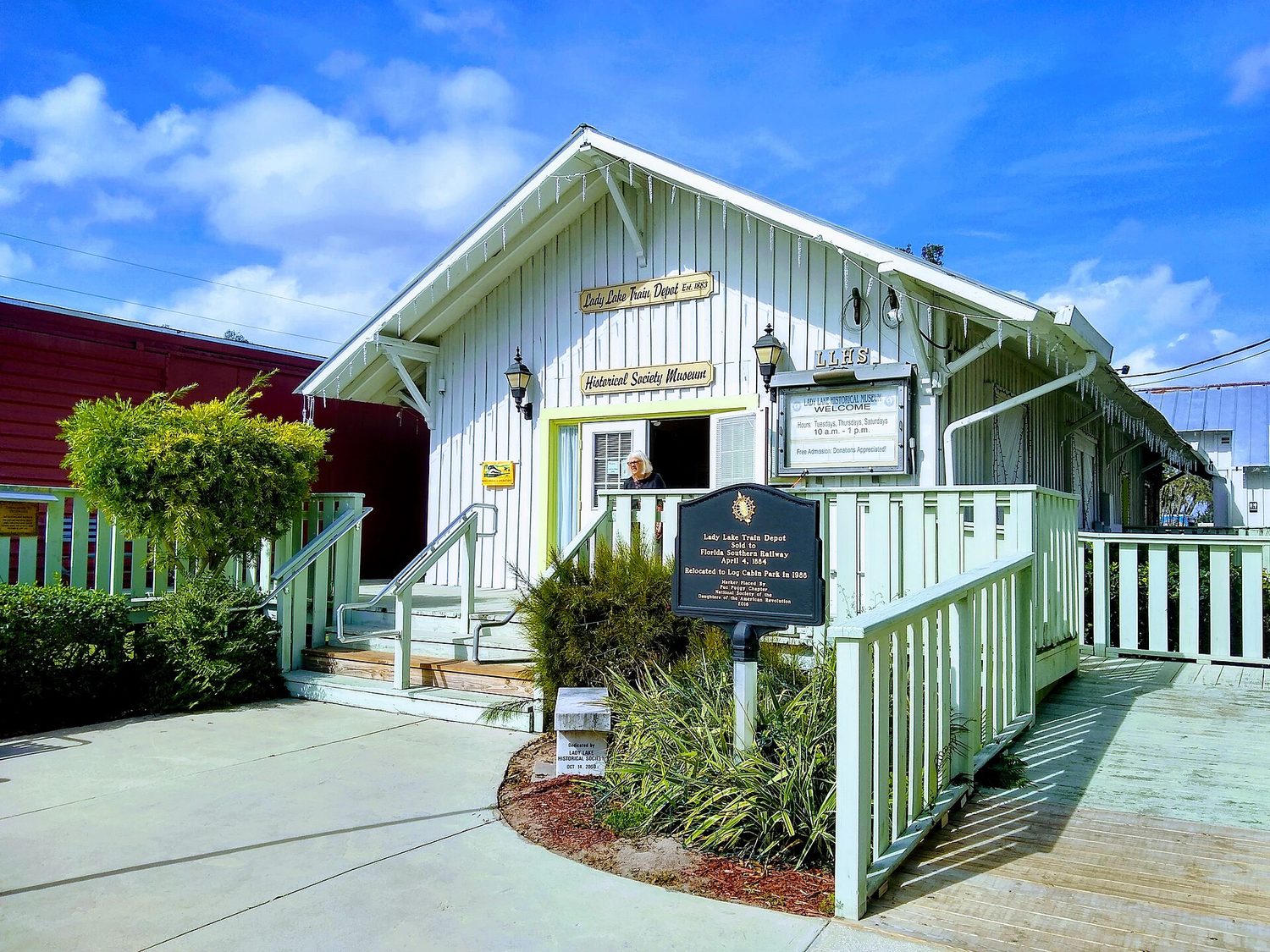
The census counts units and dollars and degrees. It does not count the railroad, but the railroad is still here in the bones of the town. The Lady Lake Historical Society Museum sits in a structure built by the Atlantic Coast Line Railroad for its High Springs-Croom line. It holds citrus-industry artefacts, an HO gauge railroad, tools, and photographs. In front of it stands a log cabin on West Lady Lake Boulevard.
That is the physical memory of the town. The census says how many people live here now. The museum says how they got here and what they did when they arrived. The railroad brought the people. The citrus gave them work. The lake gave them a reason to stay.
The Shape of the Place
So here is Lady Lake by the numbers: 16,337 people, 10,056 homes, a median age that rounds up to a retirement party, and an economy that runs on the seasons. It is a town that predates what surrounds it and has the history to prove it.
The numbers are useful. They tell you the median home is worth a little over $200,000, and the median rent is over $1,300. They tell you a quarter of the adults have a bachelor’s degree and a few thousand homes are empty for part of the year. They tell you that if you are looking for a young, bustling, degree-heavy metropolis, you are looking in the wrong place.
But the numbers do not tell you about the tracks that started it all, or the groves, or the lake that gave the town its name. For that, you have to get off the spreadsheet and go look at the museum. The census can tell you who lives here. The museum tells you why anyone came in the first place. Both are worth the visit.
Every business named above is one we hold a listing for, and every date traces to a source on our sources page. We do not describe menus, interiors or service we have not verified. Details change — confirm before you travel.