Guides · Lady Lake, Florida
Lady Lake History: Railroad Town to Retirement Hub
Lady Lake’s real story started with the tracks, not the tract homes. Before the name became shorthand for anything else, it was a Seminole territory, then a railroad stop, then a citrus town—and the census numbers suggest that old character still stubbornly persists.
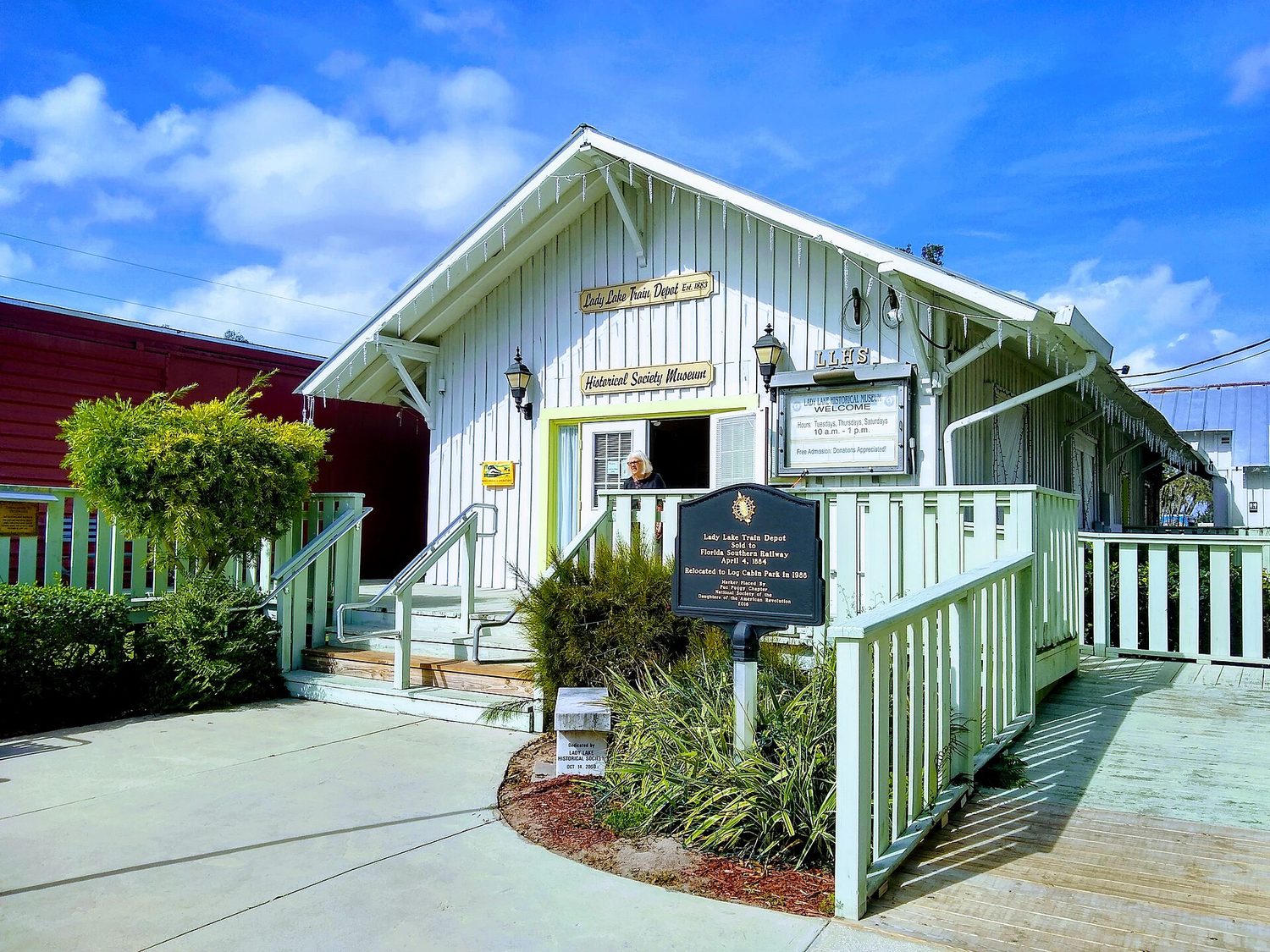
Before the Neighbor: A Railroad Town Takes Root
Lady Lake grew out of Seminole territory and into a railroad town around 1883, when the tracks arrived and made the place worth stopping at. The town took its name from the lake it was built beside—a straightforward bit of naming that tells you everything about the priorities of the time. The railroad was the engine; the citrus that followed was the cargo. Incorporated in 1925, Lady Lake had already spent four decades as a working town before it ever appeared on any map of planned communities. The groves were the economy, the depot was the hub, and the whole enterprise was tied to moving fruit out and supplies in. That history is not a footnote—it's the foundation, and it predates everything that came later.
The Museum on the Old Line: Where the Citrus Era Lives
The best place to see what Lady Lake actually was is the Lady Lake Historical Society Museum, housed in a structure built by the Atlantic Coast Line Railroad for its High Springs-Croom line. That building is itself a relic of the era that made the town. Inside, the collection holds citrus-industry artefacts, an HO gauge railroad, tools, and photographs—a working record of the groves and the tracks that sustained the place. In front of the museum stands a log cabin on West Lady Lake Boulevard, a quieter reminder of the town's earlier days. You will not find a more direct connection to the pre-retirement past than this spot, where the railroad's own architecture now preserves the story of what rolled along its rails.
The Numbers: A Town That Grew Up Around the Tracks
The census figures paint a picture of a town with one foot in its old identity and another in a newer one. Population sits at 16,337, with a median age of 66.2 years. That number alone tells you who lives here now. But the housing data is where the town's split personality shows:
| Then (Railroad & Citrus Era) | Now (Census Data) |
|---|---|
| Railroad depot moved people and goods | Total housing units: 10,056 units |
| Citrus groves were the working landscape | Homes held for seasonal or recreational use: 1,212 units |
| Workers and families settled around the tracks | Vacant housing units: 1,443 units |
| Town was incorporated in 1925 | Median home value: $217,900 |
| Citrus industry anchored the local economy | Median gross rent: $1,361 |
| Population was small and tied to agriculture | Median household income: $47,260 |
| The railroad employed and connected the town | Unemployment rate: 6.7 percent |
| Schooling was basic and local | Bachelor's degree or higher: 24.8 percent |
| The lake and the line defined the settlement | Median age: 66.2 years |
The numbers show a town of 10,056 housing units, 1,212 of them held for seasonal or recreational use, and 1,443 vacant. That's a lot of roofs that aren't full-time homes. Median household income of $47,260 and a 24.8 percent rate of bachelor's degrees suggest a working-class base with a modest education profile. The median home value of $217,900 and median gross rent of $1,361 point to a place that is not cheap, but hardly extravagant either. The 6.7 percent unemployment rate is what it is—not booming, not collapsing.
What the Census Says About Change—and What It Doesn't
The high median age, the seasonal units, and the vacancy rate all point to the same thing: the retirement era has left a mark. This is not a town of young families starting out; it's a town where many homes are second residences or empty. That is the legacy of what Lady Lake spawned. But the census only captures the present. It does not show the log cabin, the museum, or the railroad-built structure that holds the citrus artifacts. The numbers say "retirement community," but the physical anchors say otherwise. The museum and the cabin are still there, on the ground, holding the line against the tide of sameness. The data tells you what changed; the artifacts tell you what didn't.
A Day Trip from the Old Town: Nearby Festivals
If you want to see more of old Florida, the surrounding towns have their own events worth the drive. Mount Dora is 22 miles away and hosts the Mount Dora Arts Festival and the Mount Dora Craft Fair. Clermont is 31 miles out, with Pig on the Pond. Altamonte Springs is 41 miles away, where Red Hot & Boom is on the calendar. Dade City is 43 miles south for the Kumquat Festival, and Sanford is 46 miles off for Sanford Porchfest. Each one is a day trip, not an overnight, and each keeps its own identity without borrowing anyone else's. Lady Lake's railroad past may be a century gone, but the region around it still throws a good festival.
Common questions
- How did Lady Lake get its name?
- Lady Lake takes its name from the lake it was built beside. The town grew from Seminole territory into a railroad stop around 1883, and the lake was right there, so the name stuck. It's not named after a person, just the water.
- What is the Lady Lake Historical Society Museum?
- It's a museum housed in a structure built by the Atlantic Coast Line Railroad for its High Springs-Croom line. Inside, you'll find citrus-industry artifacts, an HO gauge railroad, tools, and photographs. It stands in front of a log cabin on West Lady Lake Boulevard.
- What's the median home value in Lady Lake?
- The median home value is $217,900, and the median gross rent is $1,361 per month. With a median household income of $47,260, it's a fairly affordable place compared to some nearby towns. Most residents are homeowners, though about 14% of units are vacant.
- Is Lady Lake a retirement town?
- The median age is 66.2 years, so yes, it skews older. It's also the birthplace of The Villages, the retirement community that grew out of it. But Lady Lake itself predates that—it was a railroad and citrus town first, incorporated in 1925.
- What is there to do in Lady Lake?
- You can visit the Lady Lake Historical Society Museum to see railroad and citrus history, including an HO gauge train. The town's annual events aren't listed here, but nearby Mount Dora, 22 miles away, hosts arts and craft fairs. Otherwise, it's a quiet place to explore the lake and old railroad heritage.
- How many people live in Lady Lake?
- The population is 16,337 people, with about 10,056 housing units. Of those, 1,212 are held for seasonal or recreational use, and 1,443 are vacant. So while it's a small town, there's a fair amount of turnover and part-time residents.
Every business named above is one we hold a listing for, and every date traces to a source on our sources page. We do not describe menus, interiors or service we have not verified. Details change — confirm before you travel.