Guides · Lady Lake, Florida
Lady Lake FL History: The Railroad & Citrus Industry That Built It
How the Railroad Founded Lady Lake
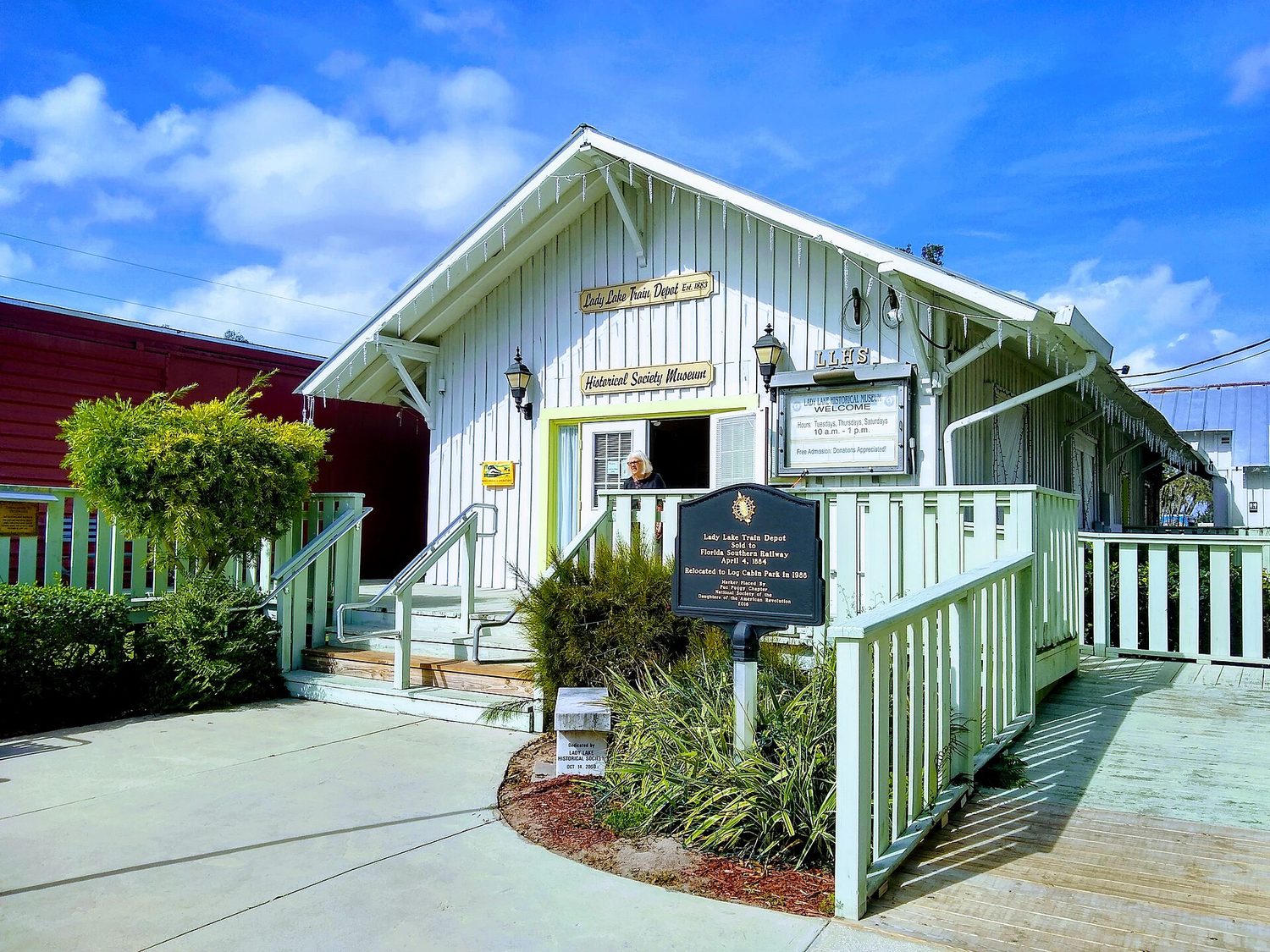
Lady Lake grew from Seminole territory into a railroad town around 1883. That single fact explains nearly everything about this place. Before the tracks arrived, this was a landscape of lakes and scrub, home to the Seminole people who had resisted removal decades earlier. The railroad changed the calculation. A line meant connection, commerce, and a reason for settlers to stay.
The town took its name from the lake it was built beside—a simple, practical naming decision that matched the era's straightforward approach to place. The railroad made the town: Lady Lake was railroad-fuelled from around 1883, and the citrus industry that followed is recorded in the local museum's collection. The pattern was familiar across Florida—tracks first, then the crops that could be shipped along them.
The Citrus Industry That Followed the Railroad
Citrus followed the railroad the way markets follow roads. Once the line was in, growers had a way to move fruit out of the interior and toward the ports and cities where it would be sold. The orange and grapefruit groves that ringed Lady Lake weren't a hobby; they were the economy. The packing houses, the seasonal labor, the rail cars loaded with fruit—this was the machinery that kept the town alive before any other industry arrived.
The citrus industry that followed the railroad shaped the town's identity in ways that persist even now that the groves have largely given way to other uses. The Lady Lake Historical Society Museum's collection preserves that history—the crates, the tools, the photographs of an industry that once defined this stretch of Lake County.
Lady Lake Historical Society Museum: A Railroad Building Preserved
The Lady Lake Historical Society Museum occupies a structure built by the Atlantic Coast Line Railroad for its High Springs-Croom line. That's not a decorative detail; it's the point. The building itself is the artifact, a surviving piece of the infrastructure that created the town in the first place. Railroad buildings of this type were utilitarian by design—meant to handle freight and passengers, not to impress. That's what makes this one worth seeing.
Inside, visitors can see citrus-industry artefacts, an HO gauge railroad, tools, and photographs. The HO gauge railroad is a model, but it tells the story of the real thing: how the tracks moved through the region, how the trains connected small towns like Lady Lake to the wider world. The tools and photographs ground that story in the everyday work of the people who lived here.
The Log Cabin in Front of the Museum
In front of the museum stands a log cabin on West Lady Lake Boulevard. It's a different kind of building, but it speaks to the same era. Where the railroad building represents the industrial and commercial side of the town's history, the log cabin suggests the domestic and frontier character of early settlement. The two structures together—one built for trains, one built for shelter—frame the transition from raw frontier to organized railroad town.
The cabin's placement in front of the museum is deliberate. It's the first thing visitors see before they step into the railroad building, and it sets the historical register: this is a place that has been lived in, worked in, and built over time.
Lady Lake Today: From Railroad Town to Retirement Community
The numbers tell a story of transformation. Lady Lake's population is 16,337 people, with a median age of 66.2 years. That's an older population, and it reflects what the town has become in recent decades. Median household income sits at $47,260, with a median home value of $217,900 and median gross rent of $1,361. Total housing units number 10,056, of which 1,212 are held for seasonal or recreational use—a sign of the area's draw as a place to spend part of the year, not just live year-round. Vacant housing units total 1,443.
The unemployment rate is 6.7 percent, and 24.8 percent of residents hold a bachelor's degree or higher. These figures paint a picture of a town that has moved from its agricultural and railroad roots into something else entirely. Lady Lake is the birthplace of the retirement community that grew out of it, and that development now surrounds the original town in a way that's hard to ignore.
The town that outgrew its name remains itself—smaller, older in its bones, and still marked by the tracks and groves that put it on the map.
Lady Lake by the Numbers
| Measure | Value |
|---|---|
| Population | 16,337 people |
| Median age | 66.2 years |
| Total housing units | 10,056 units |
| Homes held for seasonal or recreational use | 1,212 units |
| Vacant housing units | 1,443 units |
| Median home value | $217,900 |
| Median gross rent | $1,361 |
| Median household income | $47,260 |
| Bachelor's degree or higher | 24.8 percent |
| Unemployment rate | 6.7 percent |
Day Trips From the Old Railroad Town
Lady Lake sits within easy striking distance of several towns with established festival scenes. Mount Dora, 22 miles away, hosts the Mount Dora Arts Festival and the Mount Dora Craft Fair. Clermont, 31 miles out, puts on Pig on the Pond. Altamonte Springs, 41 miles away, has Red Hot & Boom. Dade City, 43 miles off, celebrates the Kumquat Festival, and Sanford, 46 miles away, offers Sanford Porchfest.
These aren't destinations that require elaborate planning—they're day trips, the kind of thing you do on a Saturday morning and return from by evening. For visitors interested in the wider region, they're a way to see how other Central Florida towns have built their own identities around festivals, arts, and community gatherings. Lady Lake's own identity was built on railroads and citrus, and while that past is quieter now, it's still there to be read in the museum, the cabin, and the streetscape.
Common questions
- How did Lady Lake get its name?
- Lady Lake takes its name from the lake it was built beside. The town grew from Seminole territory into a railroad stop around 1883, and the lake's name stuck as the settlement developed around the tracks.
- What is the Lady Lake Historical Society Museum?
- It's a museum in a structure built by the Atlantic Coast Line Railroad for its High Springs-Croom line, holding citrus-industry artefacts, an HO gauge railroad, tools, and photographs. It stands in front of a log cabin on West Lady Lake Boulevard.
- What is Lady Lake known for historically?
- Lady Lake was railroad-fuelled from around 1883, and the citrus industry that followed shaped the town. It's also the birthplace of The Villages, the retirement community that grew out of it, but the railroad and groves came first.
- How many people live in Lady Lake?
- The population is 16,337 people, with a median age of 66.2 years. Housing units total 10,056, of which 1,212 are held for seasonal or recreational use, and 1,443 are vacant.
- What are the key economic stats for Lady Lake?
- The median household income is $47,260, with an unemployment rate of 6.7%. The median home value is $217,900, and the median gross rent is $1,361. About 24.8% of residents hold a bachelor's degree or higher.
- What nearby towns can I visit from Lady Lake?
- Mount Dora is 22 miles away and hosts the Arts Festival and Craft Fair. Clermont (31 miles) has Pig on the Pond, Altamonte Springs (41 miles) has Red Hot & Boom, Dade City (43 miles) has the Kumquat Festival, and Sanford (46 miles) has Porchfest.
Every business named above is one we hold a listing for, and every date traces to a source on our sources page. We do not describe menus, interiors or service we have not verified. Details change — confirm before you travel.