Guides · Lady Lake, Florida
Wintering in Lady Lake, FL: What to Know
Lady Lake has been doing winter since 1883, when the railroad first put it on the map—long before the retirement boom next door made the region famous.
The Railroad Winter of 1883
The Atlantic Coast Line Railroad ran its High Springs-Croom line straight through what would become Lady Lake, and the town grew up around those tracks. Citrus followed the iron horses. By the time Lady Lake was incorporated in 1925, it was already a working town with a purpose. The trains brought people south for the season, and the groves gave them something to ship back north. That history frames the town on its own terms: a railroad stop and citrus town that predates the developments around it. The name itself comes from the lake the town was built beside, not from anything that arrived later.
What Wintering Actually Looks Like Here
The median age in Lady Lake is 66.2 years, and 12 percent of the town's housing units—1,212 homes—are held for seasonal or recreational use. So the winter population swells with people who come for the sun and leave before the summer heat sets in. The rhythm shifts accordingly: streets that feel quiet in the off-season fill up with snowbirds who know exactly why they're here. This isn't a recent invention. It's been the pattern since the railroad first dropped off travelers and citrus buyers in the 1880s. For a winter resident, that means a town that understands the seasonal cycle and doesn't pretend otherwise.
The Museum and the Cabin: Two Stops on a Winter Walk
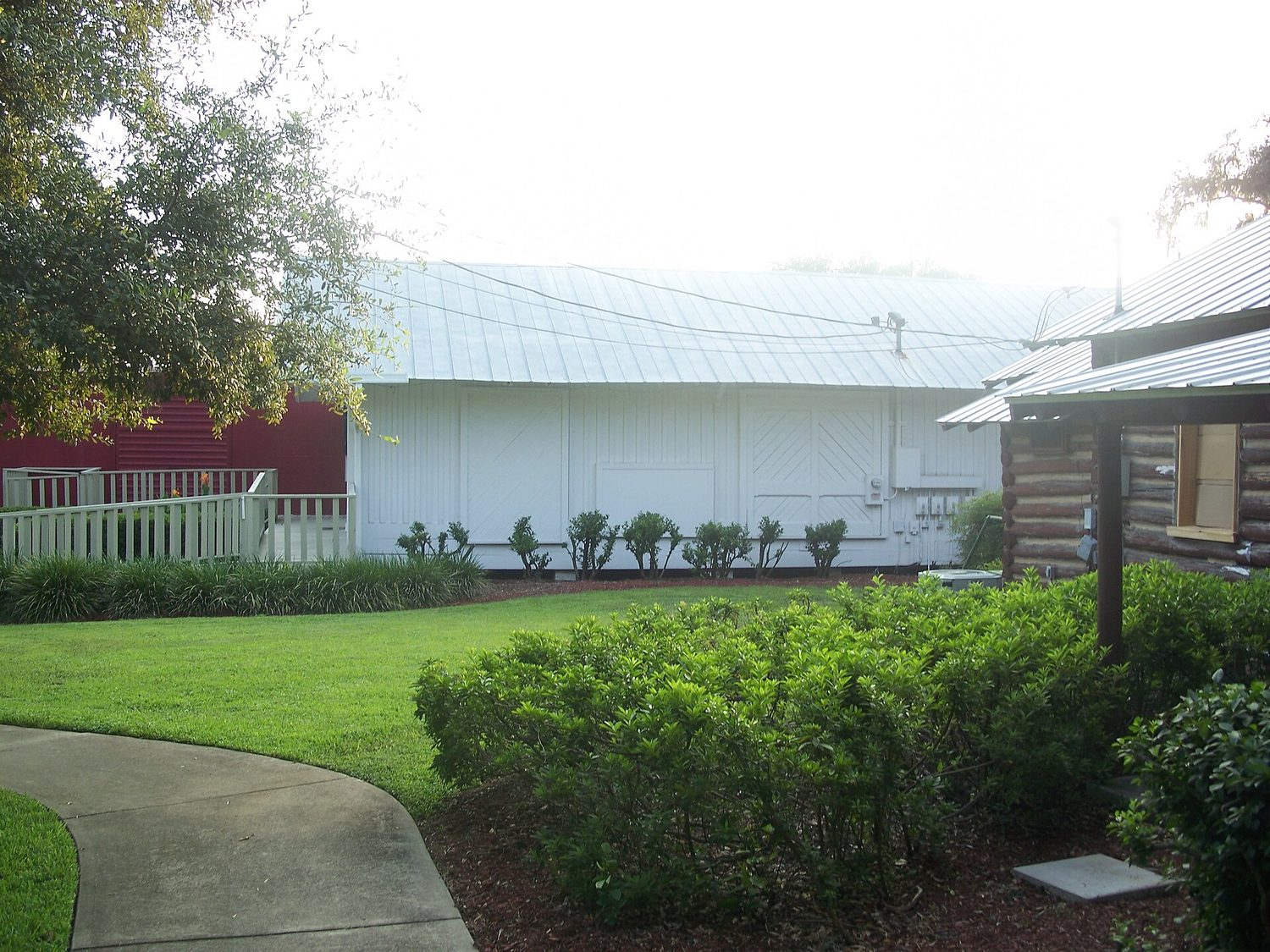
The Lady Lake Historical Society Museum sits in a structure built by the Atlantic Coast Line Railroad for its High Springs-Croom line. Inside, the collection holds citrus-industry artefacts, tools, photographs, and an HO gauge railroad—a nod to the trains that made the town possible. The museum is a direct link to the railroad era that started it all in 1883, and the citrus records document the industry that followed. It tells the town's story without overselling it.
The log cabin on West Lady Lake Boulevard stands in front of the museum, a reminder of the pioneer era that predated the trains. Together, the two structures cover the arc of the town's early history: first the settlers, then the railroad, then the citrus economy that made Lady Lake a working town.
The Numbers of a Winter Town
For a winter resident trying to figure out the practical side, the census data paints a clear picture. The median home value is $217,900, modest for Florida's winter circuit. Median gross rent runs $1,361 a month. The median household income sits at $47,260, and 24.8 percent of residents hold a bachelor's degree or higher. The unemployment rate is 6.7 percent, and the town's population is 16,337 people spread across 10,056 housing units.
| What a Winter in Lady Lake Costs (and What You Get) | Number |
|---|---|
| Median home value | $217,900 |
| Median gross rent | $1,361/month |
| Median household income | $47,260 |
| Homes held for seasonal use | 1,212 units |
| Vacant housing units | 1,443 units |
| Population | 16,337 |
| Median age | 66.2 years |
The picture is straightforward: this is not a high-cost winter destination. It's a working town with reasonable prices and a seasonal pattern built into its housing stock.
That 14 percent vacancy rate (1,443 units) is worth noting. The town slows down in ways that surprise people used to year-round resort towns. Some businesses operate on seasonal schedules. The quiet is part of the deal.
Day Trips When the Sun Is Out
Lady Lake's position in Lake County puts a range of day trips within easy reach. Mount Dora is 22 miles away and hosts the Mount Dora Arts Festival and the Mount Dora Craft Fair. Clermont, 31 miles out, has Pig on the Pond. Altamonte Springs, 41 miles south, runs Red Hot & Boom. Dade City, 43 miles away, holds the Kumquat Festival. Sanford, 46 miles east, offers Sanford Porchfest. Any of these make a reasonable excursion when the winter routine needs a break.
For a winter resident, the question of whether Lady Lake works comes down to what you want. The town offers a genuine railroad and citrus history that predates the developments around it, housing costs that don't demand a fortune, and a seasonal rhythm that matches the winter migration pattern. The museum and cabin give the history weight, and the day-trip options keep things from feeling small. It's a town that has been doing winter since 1883, and it shows—in the best way.
Common questions
- What is Lady Lake known for?
- Lady Lake started as a railroad town around 1883, growing with the citrus industry. It's named after the lake it sits beside, and it's the birthplace of the retirement community that grew out of it. The railroad history and citrus heritage are preserved at the local museum.
- What can I see at the Lady Lake Historical Society Museum?
- The museum sits in a former Atlantic Coast Line Railroad structure and holds citrus-industry artifacts, an HO gauge railroad, tools, and photographs. It's in front of a log cabin on West Lady Lake Boulevard, giving you a look at the town's railroad and farming past.
- Is Lady Lake a good place to winter?
- With a median age of 66.2 years, you'll fit right in as a winter resident. About 12% of homes are for seasonal use, so you'll have company. The town is quiet, rooted in history, and close to other Central Florida spots for day trips.
- How expensive is it to live in Lady Lake?
- The median home value is $217,900, and median gross rent is $1,361. Median household income is $47,260, with an unemployment rate of 6.7%. It's affordable compared to many Florida wintering spots, and you get a historic small-town feel.
- What's the population like in Lady Lake?
- The population is 16,337, with a median age of 66.2 years. About 24.8% have a bachelor's degree or higher. It's a small, older community—perfect if you want a quiet winter base without the hustle of bigger cities.
- What day trips can I take from Lady Lake?
- Mount Dora is 22 miles away for arts and craft fairs. Clermont is 31 miles for Pig on the Pond, and Altamonte Springs is 41 miles for Red Hot & Boom. Dade City and Sanford are also within 46 miles for festivals like the Kumquat Festival and Porchfest.
Every business named above is one we hold a listing for, and every date traces to a source on our sources page. We do not describe menus, interiors or service we have not verified. Details change — confirm before you travel.