Guides · Lady Lake, Florida
The Best Time of Year to Visit Lady Lake
The best time to visit Lady Lake depends entirely on whether you want to see the town at work, or see it at rest.
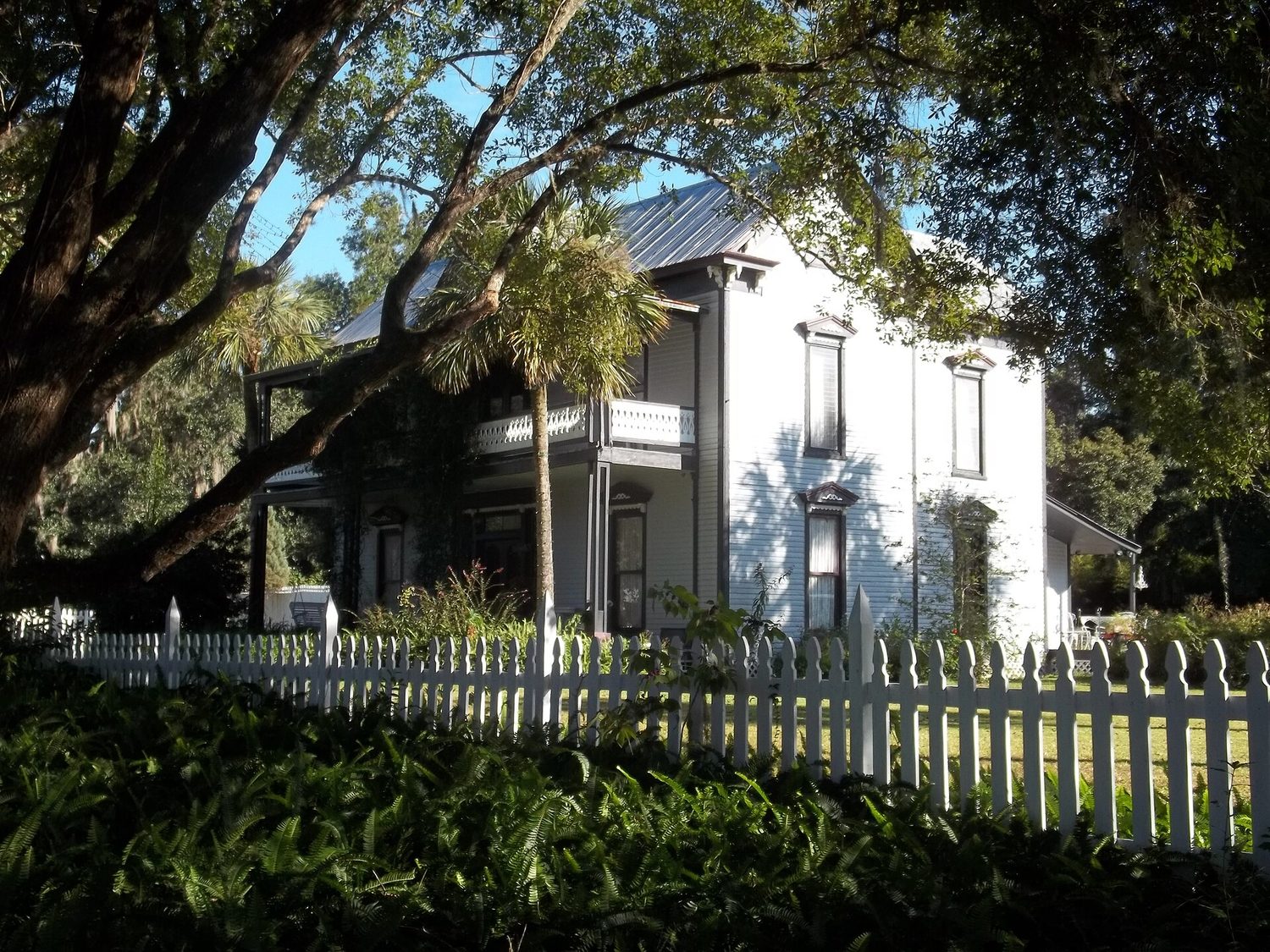
The Argument for Winter
The numbers make the case. Lady Lake’s median age is 66.2 years. That is not a town of people rushing to beat the clock; it is a town of people who already did. In the cooler months, the town hums with the quiet purpose of a place that has been doing this for a while.
Winter is when the snowbirds come home. The census counts 1,212 housing units held for seasonal or recreational use, out of 10,056 total. That is roughly one in eight homes that sits empty for part of the year. When those units fill up, the town gets louder, busier, and more alive. If you want to see Lady Lake at full tilt, you come when the temperature drops.
The railroad built this town around 1883. The citrus industry that followed is recorded in the collection at the Lady Lake Historical Society Museum — tools, photographs, and an HO gauge railroad that shows how the trains moved through the groves. Winter is citrus season in Florida. The museum’s artefacts make more sense when the fruit is actually on the trees.
The Case for Spring
Spring is the compromise. The snowbirds are still around, but the frantic energy of the holidays has faded. The weather is tolerable. You can stand in front of the log cabin on West Lady Lake Boulevard, where the museum stands, without sweating through your shirt.
The cabin is older than the town’s incorporation in 1925. It predates the paved roads, the streetlights, and most of the subdivisions. It is a reminder that Lady Lake was a place before it was a destination.
Spring also offers a clearer view of the town’s economic reality. The median household income is $47,260. The median home value is $217,900. The median gross rent is $1,361. Those are modest numbers. In spring, when the seasonal crowd thins, you see what Lady Lake is without the seasonal boost. It is a working town with a retirement veneer.
Why Not Summer
Summer is honest, but it is also brutal. The population of 16,337 people spreads out again when the snowbirds leave. The vacant housing units — 1,443 of them — stand empty. The town gets quieter. The heat gets louder.
The unemployment rate is 6.7 percent, which is higher than the state average. Summer is when that shows. The seasonal economy that supports part of the town goes dormant. If you come in July, you will see the Lady Lake that lives here year-round, but you will also be swatting mosquitoes in 95-degree humidity.
There is something to be said for that. The lake the town is named for does not care about the calendar. But the experience of walking around the museum grounds, examining the railroad history, and understanding how the citrus trade shaped this place is better when you are not dehydrated.
The Data-Backed Answer
Here is what the numbers actually tell you. The town was built around a railroad that arrived in 1883. It was incorporated in 1925. It is the birthplace of The Villages, the retirement community that grew out of it — a fact the town neither hides nor emphasizes. Lady Lake predates what surrounds it. It was here first.
The demographic reality is that 24.8 percent of residents hold a bachelor’s degree or higher. The median age is 66.2. This is a town of people who have already made their choices. You are not going to convince them to change their routines for your vacation schedule.
So the best time to visit is late fall through early spring. November through March. You get the benefit of the seasonal population without the chaos of the December holidays. You get to see the museum’s citrus artefacts in context. You get to stand by the log cabin and think about how a railroad stop became a town.
The worst time is August. That is not a controversial opinion. It is just meteorology.
A Final Word
Lady Lake is not a place you visit for the attractions. There are no theme parks, no water slides, no manufactured experiences. You come here to see a town that grew from Seminole territory into a railroad stop, then into a citrus hub, then into something else entirely.
The seasons here matter more than they do in most Florida towns. Winter brings the people back. Spring shows the town’s character. Summer strips it bare. Fall is the transition.
Pick the time that matches what you want to see. If you want the town at its most active, come when the seasonal homes fill up. If you want the town at its most honest, come when they are empty.
Either way, bring sunscreen. This is still Florida.
Every business named above is one we hold a listing for, and every date traces to a source on our sources page. We do not describe menus, interiors or service we have not verified. Details change — confirm before you travel.