Guides · Lady Lake, Florida
Lady Lake Weather: A Season-by-Season Guide
Lady Lake began as a railroad stop around 1883, a stretch of track that turned Seminole territory into a shipping point for citrus. The town took its name from the lake beside it, incorporated in 1925, and grew by the rhythm of harvests rather than tourist seasons. The weather here is still measured that way—by blossoms, by fruit, by the comings and goings of people who own homes but don't always live in them.
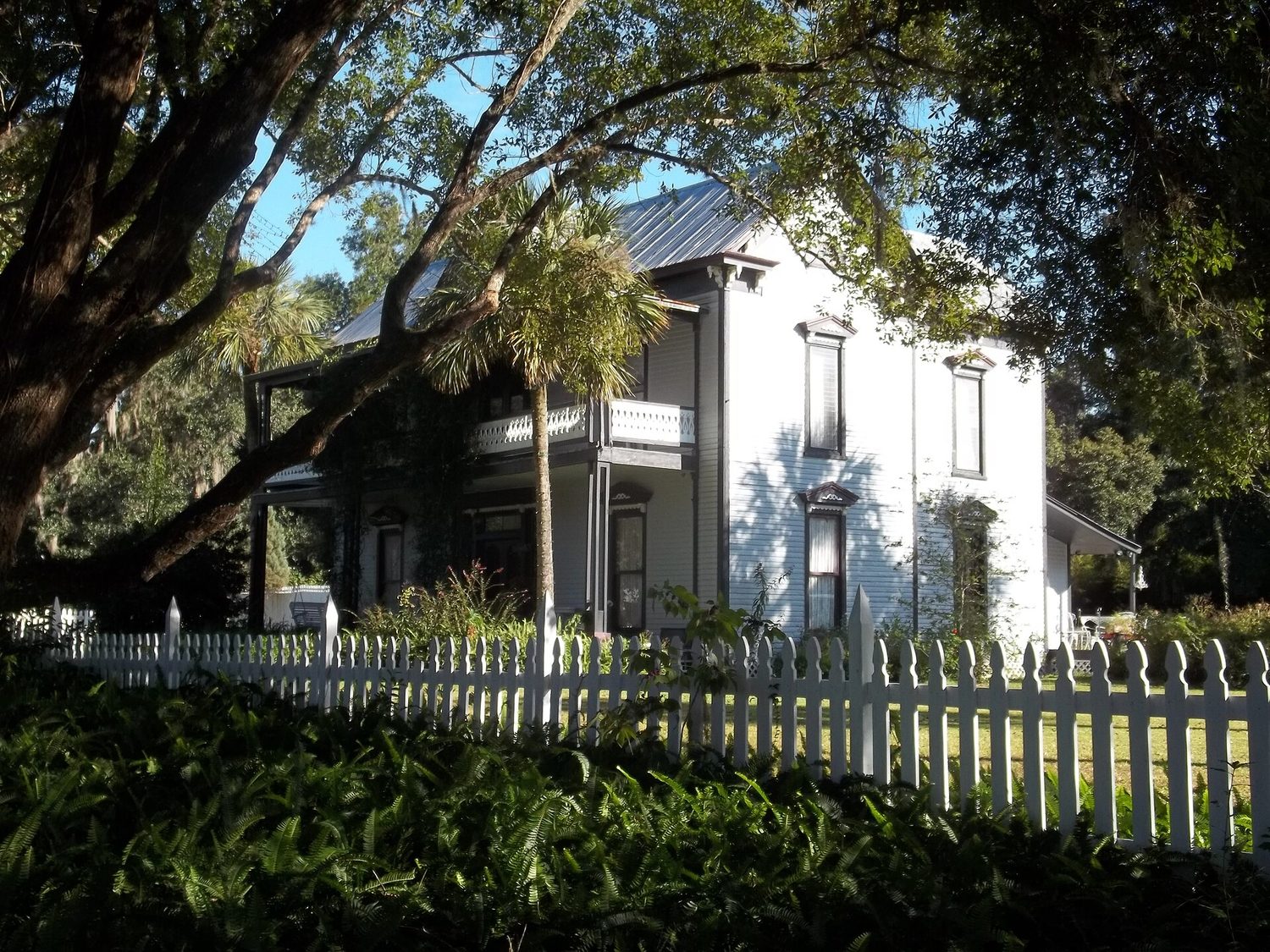
How Lady Lake's Railroad History Shaped Its Weather Story
The Atlantic Coast Line Railroad built its High Springs-Croom line through this land, and the town that formed around the tracks was, from the start, an agricultural operation. Citrus was the cargo, and citrus runs on weather. A cold snap could ruin a crop; a wet spring could rot the blossoms. The Lady Lake Historical Society Museum, housed in a structure built by that railroad, holds the evidence: citrus-industry artefacts, tools, photographs, and an HO gauge railroad that maps the town's original purpose. The log cabin on West Lady Lake Boulevard stands in front of the museum, a reminder that this was frontier before it was anything else. The weather shaped what grew here, and what grew here shaped the town.
Spring in Lady Lake: Blossoms, Festivals, and Mild Weather
Spring in Lady Lake is the payoff for a mild winter. Temperatures are comfortable—warm afternoons, cool evenings—and the citrus trees finish their harvest and begin to bloom. The air carries the scent of orange blossoms, which is the town's real seasonal marker. But spring also brings traffic. Visitors heading to the Mount Dora Arts Festival (22 miles) and the Mount Dora Craft Fair (22 miles) pass through on their way north, and Clermont's Pig on the Pond (31 miles) pulls a crowd in March. Locals know to add extra time to any drive on festival weekends. The weather is worth it—this is the season when Lady Lake feels most like a small town with a good reason to stop.
Summer in Lady Lake: Heat, Humidity, and Daily Thunderstorms
Summer is the season Lady Lake endures. Heat and humidity build through the morning, and by mid-afternoon the sky turns and releases a near-daily thunderstorm. These storms are intense but brief, and they water the groves that defined the town. Residents cope by planning around them—errands in the morning, indoor activity in the afternoon. The lake itself helps; it moderates temperatures slightly, making lakeside spots cooler in summer and warmer in winter. Locals know to take advantage of the breeze.
Summer also means fewer visitors. The snowbirds have gone home, and the town returns to its year-round population of 16,337. It's the quietest season, which has its own appeal if you don't mind the humidity.
Autumn in Lady Lake: Mild Weather Before the Snowbirds Arrive
Autumn is Lady Lake at its most balanced. The heat breaks, the humidity drops, and the citrus season begins—the first harvests of the year start coming in. The weather is pleasant enough for outdoor work and outdoor play, and the town is still relatively quiet. That changes as the season wears on. Of the town's 10,056 housing units, 1,212 are held for seasonal or recreational use. Those homes start filling in late autumn, and the population begins its winter swell. Locals notice it in the grocery stores and on the roads. The calm of early autumn is the last one you'll get for a while.
Winter in Lady Lake: Mild Days, Cool Nights, and Seasonal Crowds
Winter is why those 1,212 seasonal homes exist. Daytime highs are mild, nights are cool, and the citrus harvest peaks—the crop that built Lady Lake comes into its own in the coldest months. The town's median age is 66.2 years, and in winter it feels older still, as seasonal residents return to escape harsher climates. The crowds are the trade-off. The weather is the best of the year, and everyone knows it. For a town of 16,337 people, the winter influx changes the character of daily life. The museum's collection—the citrus artefacts, the photographs, the railroad history—gets more visitors. The lake gets more walkers. The roads get more traffic. It's the price of mild weather.
Best Time to Visit Lady Lake: A Local's Seasonal Calendar
If you want mild weather and fewer people, aim for late autumn, after the heat breaks and before the seasonal residents arrive in force. November is the sweet spot. Spring is a close second, with the festival circuit adding interest—and traffic. Summer is for those who don't mind heat and humidity and want the town to themselves. Winter is for the best weather and the biggest crowds.
The weather in Lady Lake is not dramatic. It doesn't need to be. It's the weather of an agricultural town, shaped by the railroad that brought the citrus in and the seasons that made it grow.
| Season | Typical Weather |
|---|---|
| Spring | Mild and comfortable; citrus harvest ends, blossoms begin; occasional rain |
| Summer | Hot and humid; daily afternoon thunderstorms; best for lakeside breezes |
| Autumn | Pleasant and dry; citrus season begins; increasingly busy as seasonal residents arrive |
| Winter | Mild days, cool nights; peak citrus harvest; busiest season for crowds and traffic |
Common questions
- What's the weather like in Lady Lake year-round?
- Lady Lake has a humid subtropical climate with hot, humid summers and mild, drier winters. Expect afternoon thunderstorms from June through September, and comfortable temperatures from November through April. The area sees plenty of sunshine year-round, with occasional cold snaps in winter.
- When is the best time to visit Lady Lake?
- The best time to visit is between November and April, when temperatures are mild and humidity is low. This avoids the summer heat and afternoon storms. Winters are generally pleasant, though occasional cold fronts can bring cooler days.
- Does Lady Lake get hurricanes?
- Yes, Lady Lake is in Central Florida, which can be affected by hurricanes and tropical storms, mainly from June through November. The area is inland, so impacts are typically heavy rain, wind, and possible flooding, rather than storm surge.
- How hot does it get in Lady Lake in summer?
- Summer highs in Lady Lake typically reach the low to mid-90s Fahrenheit, with high humidity making it feel hotter. Afternoon thunderstorms are common, providing brief relief. Nights stay warm, often in the mid-70s.
- Does Lady Lake get cold in winter?
- Winters are mild, with daytime highs in the 60s and 70s Fahrenheit, and lows often in the 40s and 50s. Freezing temperatures are rare but possible on clear nights. Snow is extremely rare, but frost can occur.
- What should I pack for a trip to Lady Lake?
- For most of the year, pack light, breathable clothing, sunscreen, and a hat. In summer, add rain gear for afternoon storms. From November to February, bring a light jacket or sweater for cooler evenings and occasional chilly days.
Every business named above is one we hold a listing for, and every date traces to a source on our sources page. We do not describe menus, interiors or service we have not verified. Details change — confirm before you travel.